Dog dental cleaning, cost, process & why you don't skip it
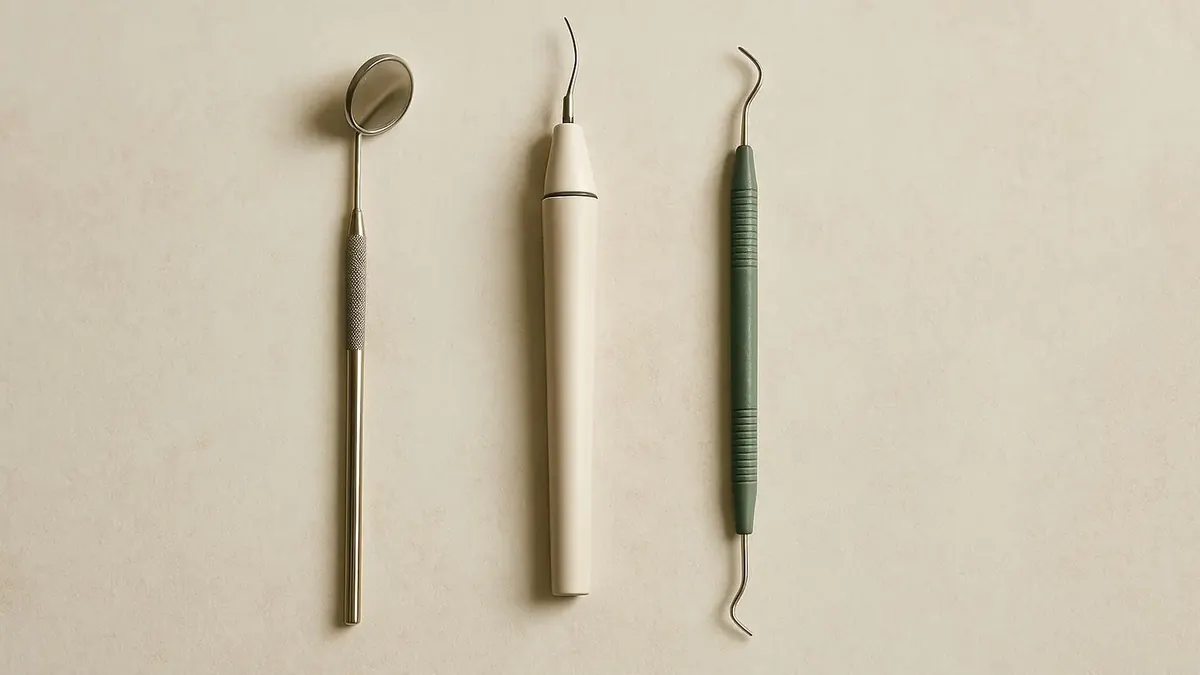
Dental disease is the most common health problem in adult Australian dogs. By age three, around 80% have measurable periodontal disease. A professional dental clean under anaesthesia is the only reliable way to remove tartar, treat gum disease, and check below the gumline. Below: what's involved, what it costs, and why "anaesthesia-free dental" is the dental equivalent of someone offering to "tidy up" your kitchen by closing the cupboard doors.
What actually happens at a professional dog dental cleaning
A proper dental clean isn't a quick scrape. It's a full medical procedure with anaesthesia, monitoring, imaging and treatment. Sequence:
- Pre-anaesthetic exam and bloodwork. Your vet checks heart, lungs and runs blood tests to confirm your dog can safely be anaesthetised. Important especially for older dogs.
- IV catheter and fluids. Allows safe drug delivery and supports blood pressure during anaesthesia.
- Anaesthesia and intubation. A breathing tube protects the airway from water and debris during cleaning.
- Full mouth assessment. Each tooth is checked, probed for gum pocket depth, and charted on a dental record.
- Dental x-rays. Most periodontal disease is below the gum line. X-rays show root health, tooth fractures, and bone loss that can't be seen in the mouth.
- Ultrasonic scaling. Tartar removed from above and below the gum line using a high-frequency scaler.
- Polishing. Smooths the tooth surface so plaque takes longer to re-form.
- Extractions or other treatment. Teeth that are loose, fractured, or have advanced gum disease come out. Pain relief is given.
- Recovery. Monitored until awake and warm. Most dogs go home the same day.
A clean takes 45 minutes to 2 hours depending on what's needed. Extractions add time. (And bills.)

Honest costs in Australia
Wide ranges reflect differences in clinic, equipment (full digital dental x-ray vs none), and what's included in the quote. Specialist dental hospitals charge more but bring orthodontic and surgical capabilities for complex cases. Compare like-for-like, if one quote includes x-rays and bloodwork and another doesn't, the cheaper one isn't actually cheaper.
If the cost is daunting, the vet payment plans guide covers options to spread it over time.
How often do dogs need a dental clean?
It varies a lot by breed and care:
- Small breeds with crowded teeth (Toy Poodles, Yorkies, Cavaliers, Maltese, Chihuahuas), often every 12 to 18 months
- Average dogs with reasonable home care, every 18 to 24 months
- Dogs with daily brushing and dental diet, sometimes every 2 to 3 years
- Dogs with no home care, typically yearly once disease is established
Your vet checks your dog's mouth at every annual visit and tells you when a clean is due. Don't wait until your dog has bad breath, that's already gum disease. (We say "doggy breath" in conversation. We say "moderate periodontal disease" in the chart. Same thing.)

Signs your dog needs a dental clean
- Bad breath (the most reliable sign of periodontal disease)
- Yellow or brown tartar on the teeth, particularly on the upper back teeth
- Red, swollen, or bleeding gums
- Pawing at the mouth or face rubbing
- Difficulty eating or chewing on one side
- Dropping food, slowing down at meal times
- Visible loose teeth or missing teeth
- Behavioural changes, withdrawal, irritability (dental pain is real)
Dogs hide oral pain extremely well. By the time a dog refuses to eat from dental pain, things are advanced. Don't use eating habits as your only signal, by then it's been hurting for months.
Anaesthesia-free dental, the truth
Anaesthesia-free dental cleaning is offered by some non-vet operators and a handful of mobile services. Looks attractive, no anaesthesia, lower cost, dog stays awake. The reality is more complicated, and most Australian veterinary bodies (including the Australian Veterinary Dental Society) strongly oppose it.
What anaesthesia-free dental can do
- Remove visible tartar from tooth surfaces, making teeth look whiter
What anaesthesia-free dental cannot do
- Clean below the gumline (where periodontal disease lives)
- Take dental x-rays
- Identify or treat fractured teeth, root abscesses or hidden disease
- Polish properly (a polished surface is essential to slow tartar return)
- Provide pain relief for the painful parts of cleaning
- Safely manage a fearful or fractious dog
Why vets oppose it
The visible result looks clean but the disease beneath the gumline is untouched and progresses unchecked. Owners think their dog has had its teeth done and the next real check happens too late. The visible-clean teeth also disguise the smell of advancing periodontal disease. It's the dental equivalent of polishing a car you haven't serviced in three years.
If price is the barrier, talk to your vet about staged plans, payment options, or a "first stage" cleaning that focuses on the worst teeth and revisits in 12 months. Most clinics will work with you. They'd rather have your dog's teeth done properly in stages than not at all.

At-home dental care between cleanings
Home care is the difference between a clean every 12 months and a clean every 3 years. Most effective home care:
Daily tooth brushing
The gold standard. Dog-specific toothpaste (never human, fluoride and xylitol are toxic to dogs), a finger brush or soft pet toothbrush, 30 seconds a day. Aim for the outer surfaces of the back teeth, that's where most tartar collects. Build up gradually if your dog isn't used to it. (You will feel ridiculous the first ten times. Persist.)
Dental diet
Hill's t/d, Royal Canin Dental and a handful of other prescription dental diets are formulated to physically clean teeth as the dog chews. Some are VOHC approved. Worth discussing with your vet.
Dental water additives
Mixed into drinking water. Evidence is moderate. Useful for dogs that resist brushing.
VOHC-approved dental chews
See the dental chews guide for what to look for. Treat them as a supplement, not a replacement for brushing.
Regular vet checks
Annual mouth assessments catch issues early, when treatment is cheaper and simpler. Periodontal disease is progressive; early intervention matters.
For more on tooth structure and what's actually getting cleaned, see the dog dental chart and cat dental chart. They show you which teeth do most of the work, and most of the suffering.
A dental clean is one of those expenses that feels enormous and turns out to be cheaper than what comes next. If you've been putting it off, book one. Your dog will be a different animal afterwards. Information here is general; decisions about dental care, anaesthesia and extractions should be made with your registered veterinarian based on your dog's individual health.