Cat vomiting, when to worry, when it's just hairballs (and it often isn't)
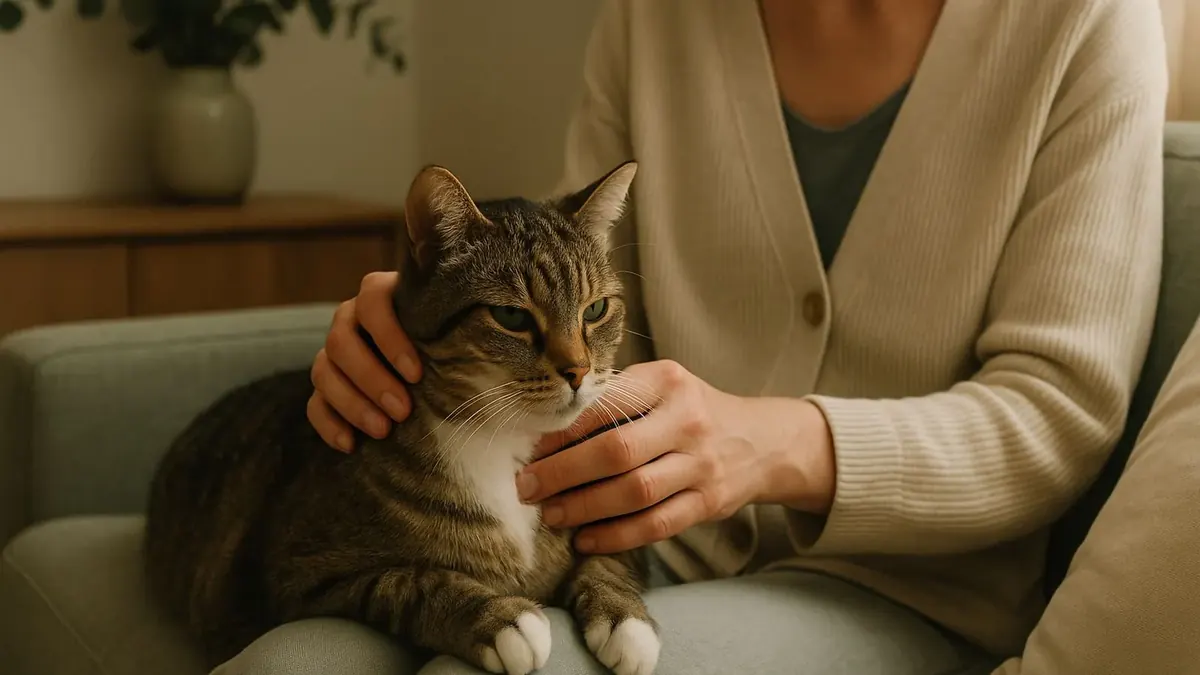
Cats vomit. The myth that "cats just throw up sometimes" is half right, they do, but vomiting more than once a month deserves attention, and certain types are emergencies. Below: what to look at, what the colour means, and when to drive to the vet versus watch from the couch with a bucket. (Cats produce surprising volumes for their size. The bucket is not optional.)
Common causes of cat vomiting
Hairballs
The classic. Cats groom for hours and swallow hair, which usually passes through. Sometimes it accumulates in the stomach until thrown up, typically as a sausage-shaped wad of hair and saliva. One hairball every few weeks in a long-haired cat isn't worrying. Frequent hairballs can mean over-grooming, which is often anxiety, parasites, or skin disease. See the full cat hairball guide for what's normal, what isn't, and how to reduce frequency.
Eating too fast
Some cats inhale food and bring it back up minutes later, undigested. Slow-feeder bowls, smaller more frequent meals, or scattering kibble across a flat tray solve it. (You'll feel like you're enriching their lives. They'll continue to look offended.)
Sudden diet change
Switching foods abruptly often triggers vomiting. Transition over 7 to 10 days, mixing increasing amounts of new food with old.
Food intolerance or allergy
Some cats can't tolerate certain proteins (chicken and beef are common culprits). Vomiting plus loose stools, plus skin irritation, points this way.
Intestinal parasites
Roundworms, tapeworms, and hookworms cause vomiting in cats, particularly kittens and outdoor cats. Year-round worming treatment prevents most of this.
Foreign bodies
Cats love string, ribbon, hair ties, and cellophane. Linear foreign bodies are particularly dangerous, they bunch up in the gut. Vomiting that won't stop in a string-loving cat is a foreign body until proven otherwise.
Inflammatory bowel disease (IBD)
Chronic vomiting, often weekly or more, in a middle-aged or older cat. IBD is one of the most common causes of frequent vomiting in adult cats.
Kidney disease
Common in cats over 10. Vomiting plus weight loss, increased thirst and urination, and reduced appetite. Treatable but not curable, early diagnosis extends life significantly — see the full guide to kidney disease in cats.
Hyperthyroidism
An overactive thyroid in older cats. Vomiting, weight loss despite a great appetite, restlessness, and increased thirst. Highly treatable when diagnosed — see the full guide to hyperthyroidism in cats.
Pancreatitis
Inflammation of the pancreas. Vomiting, lethargy, off food, sometimes painful abdomen. Needs vet diagnosis and supportive care.
Toxin or plant ingestion
Lilies are highly toxic to cats, every part of the plant. Other toxins include onion, paracetamol, ibuprofen, antifreeze, certain pesticides, and human prescription drugs. Sudden vomiting in a cat with possible exposure is an emergency, see the emergency vet guide.
Cancer
Sadly, lymphoma and other cancers can present as chronic vomiting in older cats. Always worth investigating persistent vomiting.

Vomiting vs regurgitation, the difference matters
Vomiting and regurgitation look similar but have different causes.
- Vomiting involves abdominal effort, the cat retches, the body heaves, then food comes up. Vomit usually looks partly digested or contains bile.
- Regurgitation is passive, food comes back up without effort, often shortly after eating. The food looks largely undigested, often shaped like the oesophagus.
Regurgitation points to oesophageal issues (rarer in cats than dogs), while vomiting points to stomach or systemic causes. Telling your vet which is happening helps narrow the diagnosis.
What the vomit looks like and what it means
- Yellow or green (bile). Often happens on an empty stomach, first thing in the morning is classic. A small amount of bile vomit occasionally is usually nothing serious. Frequent bile vomiting needs investigation.
- White foam or clear fluid. Often related to gastritis (stomach irritation), nausea, or hairballs in early stages. Persistent white foam vomiting deserves a vet visit.
- Brown or dark. Could be food, but could be digested blood from the upper gut. If it looks like coffee grounds, see a vet promptly.
- Pink or bright red. Fresh blood. Always a vet visit, could be from the mouth, oesophagus or stomach.
- Undigested food, recently eaten. Often "ate too fast" or food intolerance.
- Vomit with worms. Roundworms, needs worming treatment.
- Vomit with foreign material. String, plastic, hair ties, keep what comes up to show your vet. (Yes, in a bag. Yes, this is part of cat ownership.)

When cat vomiting is an emergency
- Repeated vomiting within a few hours, with nothing staying down
- Vomiting plus lethargy, hiding, or unwillingness to move
- Vomiting plus inability to drink water or refusal to eat for more than 24 hours
- Blood in the vomit (red or coffee-grounds appearance)
- Suspected toxin or plant ingestion (especially lilies, onions, paracetamol)
- String visible from the mouth or anus, never pull it
- Suspected foreign body ingestion
- Painful or distended abdomen
- Pale or yellow gums
- Difficulty breathing
Cats decline faster than dogs when dehydrated. A cat vomiting and not drinking for a day is closer to crisis than the same scenario in a dog. Don't wait. The emergency vet guide covers what to do.
Home care for a vomiting cat
For a single mild vomit in a cat that's otherwise bright, eating and drinking normally:
- Withhold food for 6 to 12 hours (no longer)
- Provide small amounts of water, don't restrict water access
- After the rest period, offer a small amount of bland food (boiled chicken with a little plain rice, or a vet-prescribed bland diet)
- Increase amounts gradually over 24 to 48 hours
- Monitor for further vomiting, behaviour change, appetite, urine and stool output
If your cat refuses food for more than 24 hours, vomits again, becomes lethargic or shows any of the emergency signs above, see a vet promptly. If you also have dogs and are considering long-term home cooking for them, see the vet-approved homemade dog food guide — the nutrient gaps it covers apply equally to cats on home-prepared diets.

When to see a vet
- Vomiting lasting more than 24 hours
- More than 3 episodes in a single day
- Vomiting with diarrhoea, lethargy, or appetite loss
- Weight loss, increased thirst or change in litter tray habits accompanying vomiting
- Any blood in vomit
- Recurring vomiting more than once a month over an extended period, even if your cat seems otherwise well
- Older cats vomiting regularly, IBD, kidney disease and cancer all present this way
- Kittens with any persistent vomiting, they dehydrate fast
"Cats just throw up sometimes" is a myth that has caused many delayed diagnoses. A cat vomiting weekly has a problem. Don't normalise it. The find a vet guide can help if you don't have a regular vet yet.
Stopping frequent vomiting
- Year-round parasite prevention
- Slow-feeder bowls or food puzzles for fast eaters
- Brushing, removes loose fur before it's swallowed. The grooming guide covers tools that work for cats too
- High-quality balanced diet, transitioning slowly between foods
- Keep lilies and toxic plants out of the home
- Annual vet checks, bloodwork from age 7 onwards picks up kidney and thyroid disease early
- Address dental disease, see the cat dental chart and dental cleaning guide. Mouth pain can present as nausea and reduced eating
- Reduce stress, multi-cat households need enough litter trays, feeding stations and resting spots
If your cat has chronic vomiting that's been written off as "just hairballs" for years, ask your vet about working it up properly. Modern diagnostics can usually find the cause.
If you've made it to the bottom of this page, your cat is probably either fine or already at the vet. Trust your instincts, the owners who notice "something's just off" are usually right. Information here is general; persistent or severe vomiting should always be assessed by a registered veterinarian. If your cat is also sneezing and has runny eyes alongside appetite loss, see the cat flu guide.