Bird & exotic pet vets in Australia, why you need a specialist
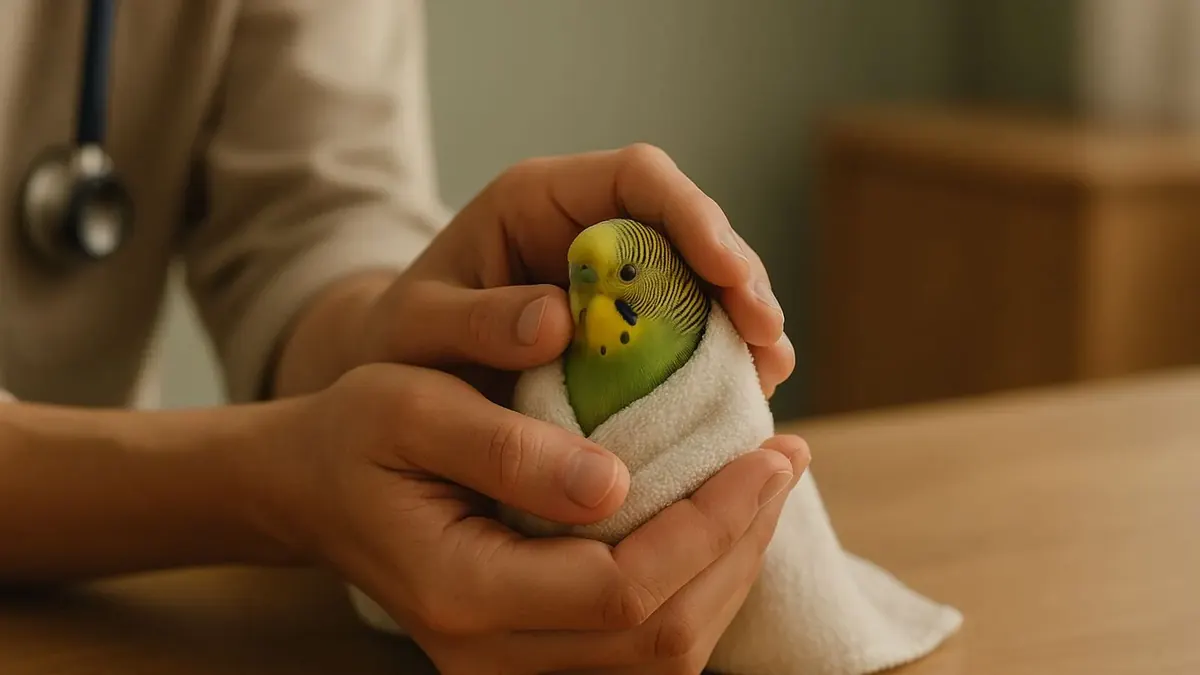
If your pet has feathers, scales, or weighs less than a small loaf of bread, your local cat-and-dog vet may not be the right fit. A budgie isn't a small dog. A bearded dragon isn't a slow cat. Each species has anatomy, drug sensitivities and behavioural cues that need a vet with specific training. Here's how to find the right one in Australia and what to expect when you walk in.
Why birds and exotic pets need specialist vets
Australian veterinary training is heavily weighted toward dogs, cats, horses and production animals. Avian and exotic medicine is a small part of the curriculum, and most graduates haven't held a budgie since university.
This matters more than it sounds. Birds metabolise drugs differently to mammals, a dose that's safe for a dog can kill a cockatiel. Reptiles need species-specific temperature regulation just to digest food. Rabbits are obligate herbivores whose gut shuts down within 12 hours if they stop eating. A vet who hasn't kept up with the literature on these species can cause harm with the best intentions in the world.
Beyond drug doses, the soft skills matter too. Birds are prey animals, they hide illness until they collapse. By the time owners notice symptoms, the bird has often been sick for weeks. A vet used to bird body language picks up subtle changes an untrained eye misses. (The cockatoo on the perch giving you the side-eye? She's been hiding it for a fortnight.)

What an "exotic" vet actually is
"Exotic vet" and "unusual pet vet" are general terms, they're not protected titles. In practice, you're looking for a vet who:
- Has done significant continuing education in avian or exotic medicine
- Sees these species regularly, not "every now and then"
- Has the right equipment (small-bird gas anaesthesia, suitable holding facilities, in-house diagnostics)
- Is a member of AAVAC (Australasian Avian and Exotics Veterinary Association) or UEPV (Unusual and Exotic Pet Veterinarians)
Some vets go further and become Members or Fellows of the Australian and New Zealand College of Veterinary Scientists in avian or unusual pet medicine. These vets have done formal post-graduate examinations and are the closest equivalent to a true specialist for these species in Australia. Specialist avian and exotic referral hospitals exist in most major cities, your regular exotic vet refers you if a case is complex.

Pets that need an exotic vet
- Birds. Budgerigars, cockatiels, canaries, galahs, cockatoos, eclectus, conures, macaws, lorikeets, finches, pigeons.
- Reptiles. Bearded dragons, blue-tongue lizards, pythons, water dragons, turtles, geckos.
- Rabbits. Always go to an exotic-experienced vet. Rabbit medicine is its own discipline.
- Guinea pigs. Vitamin C dependence and dental issues need species-specific knowledge.
- Ferrets. Adrenal disease, insulinoma, lymphoma, common ferret problems most regular vets won't see often.
- Rats and mice. Respiratory disease, mammary tumours, reproductive issues.
- Sugar gliders, axolotls, fish. Increasingly, exotic vets see these too.
Native Australian wildlife (wombats, possums, kangaroos, native birds) are usually treated by wildlife rescue vets working with WIRES or the equivalent state organisations, not the same pathway as a privately owned exotic. Worth knowing if you find one in your backyard. (For finding any registered vet, the find a vet guide covers what to look for.)

How to find a bird vet near you in Australia
The AAVAC member directory
The Australasian Avian and Exotics Veterinary Association maintains a member directory searchable by state. AAVAC membership is the closest thing to a quality signal you'll get without a personal recommendation.
Local bird and reptile clubs
Bird breeders, aviculture societies and herpetological societies have collective decades of experience with which clinics get good outcomes. Local Facebook groups for cockatiel owners, rabbit owners or reptile keepers are often the fastest way to find a recommendation in your suburb.
State by state
- NSW. Sydney has multiple bird and exotic-only practices, plus exotic-experienced clinics across the Inner West, Northern Beaches, Hills District, and Sutherland Shire. Country NSW is sparser, you may travel.
- Victoria. Melbourne has well-known avian referral practices. Searches for "Melbourne bird vet" should ideally surface AAVAC members rather than general clinics.
- Queensland. Brisbane, Gold Coast and Sunshine Coast have established exotic vets, with referral options at the University of Queensland.
- WA. Perth has dedicated avian and exotic clinics. Regional WA owners often travel or use telehealth follow-ups.
- SA, TAS, ACT, NT. Smaller scenes but exotic-experienced vets exist in capital cities. Plan ahead, appointment availability is tighter.
Things to ask before booking
- How often do you see this species each week?
- Is anyone in the practice an AAVAC or UEPV member?
- Do you have appropriate gas anaesthesia for small birds?
- Where do you refer cases you can't manage in-house?
What to expect at the appointment
A good exotic vet starts with history. They'll ask about diet, husbandry, cage size, lighting, temperature, substrate, hours of UV exposure, time outside the cage, other pets, and recent changes. For most exotic pets, husbandry problems cause more disease than infections do, a sharp vet picks up issues from the history alone.
The physical exam is gentler and faster than for dogs and cats. Birds, in particular, get stressed quickly and a long examination can do real harm. Many exotic vets weigh the patient (in grams), check feathering, eyes, beak, feet, vent, and listen to the heart and air sacs.
Diagnostics may include blood tests, faecal float, microscopy, x-rays, or endoscopy. Bring fresh droppings if asked, they're free diagnostic gold and you'll feel oddly proud delivering them.

Common bird health issues
Respiratory disease
Sneezing, tail-bobbing while breathing, fluffed-up posture, voice change. Causes include aspergillosis (fungal), bacterial infection, mycoplasma, and air sacculitis. Birds compensate for respiratory disease for weeks before symptoms show, by the time you notice it, they're sick.
Feather plucking
One of the most common reasons birds present. Causes range from medical (skin infection, parasites, low calcium, liver disease) to behavioural (boredom, stress, attachment issues, hormonal). Feather plucking has no quick fix and treatment usually involves both husbandry changes and medical workup. Anyone offering a 10-day fix is selling something.
Psittacosis
A bacterial infection caused by Chlamydia psittaci. Birds may appear unwell with fluffed feathers, weight loss and respiratory signs. It can transmit to humans, particularly affecting people with compromised immune systems. Diagnosis and treatment in birds is straightforward, but human exposure makes it worth taking seriously.
Egg binding
A female bird unable to pass an egg is an emergency. Signs: straining at the vent, fluffed feathers, weakness, sitting on the cage floor. Common in cockatiels and budgies. Get to a vet within hours, not days. The emergency vet guide covers what after-hours care looks like.
Crop issues
Sour crop or crop stasis presents as regurgitation, foul breath, and a swollen crop. Often caused by inappropriate diet (especially in hand-reared birds) or fungal overgrowth.

Common reptile health issues
Metabolic bone disease
Single most common issue exotic vets see in pet bearded dragons, water dragons and turtles. Caused by a calcium-phosphorus-vitamin D imbalance, usually from poor UV lighting or incorrect diet. Symptoms include rubbery jaw, soft shell (turtles), tremoring, weakness. Preventable. If it's advanced, it leaves permanent damage.
Respiratory infections
Reptiles can't cough or expel mucus the way mammals do. Open-mouth breathing, bubbles at the nostrils or mouth, lethargy and reduced appetite are signs. Often linked to husbandry, temperature too low, humidity wrong, ventilation poor.
Mites
Snake mites and lizard mites are visible (small, dark, fast-moving) on skin and around eyes. Treatment is straightforward but environmental cleaning matters too, otherwise they come back.
Stuck shed (dysecdysis)
Skin or eye-cap retention from dehydration or low humidity. Especially common in pythons and geckos. Don't peel, soak gently and seek vet help if eye caps are involved. (We know it's tempting. Don't.)
Egg binding
Female reptiles can become egg-bound for many reasons. Signs: straining, lethargy, prolapse, sudden weakness. Vet visit needed.
What it costs
If your usual exotic clinic is closed, the emergency vet guide covers what to do for after-hours emergencies. Some emergency hospitals have exotic-experienced vets on staff; others stabilise and refer to a specialist in the morning. Always phone first.
When your bird or exotic pet needs urgent care
- Sitting on the cage floor, fluffed up, eyes closed
- Open-mouth breathing or tail-bobbing while breathing
- Bleeding from any source
- Sudden weakness, falling off the perch, or unable to grip
- Egg-bound (straining vent, weakness)
- Reptile not eating for more than a week, especially with weight loss
- Rabbit not eating or pooing for more than 12 hours, gut stasis, real emergency
- Any wound or laceration, including from another pet
Straight answers
Do I need an exotic vet for a budgie or cockatiel?
Yes. Even small birds benefit from a vet who knows the species. Many regular vets are honest about their limits and refer you. Don't accept "it's just a budgie" as an excuse for low-quality care, modern medicine for small birds is excellent if you find the right vet.
How often should I take my bird to the vet?
An annual wellness check is sensible, especially for parrots and larger birds with long lifespans. See your bird soon after bringing them home, establishing a baseline helps spot changes later.
Do exotic pets need vaccinations?
Most don't. Rabbits in some states are vaccinated against calicivirus (RHDV1, RHDV2), increasingly recommended given outbreak risk. Ferrets may be vaccinated against canine distemper. Birds and reptiles generally aren't.
Can I bring my bird to the vet without it stressing out?
Use a covered, well-ventilated travel carrier. Keep them warm, cold bird in waiting room equals sick bird at the consult. Don't feed for an hour before the trip if there's a chance of regurgitation. Many exotic vets schedule species at quieter times so birds aren't sitting near barking dogs.
Are mobile vets an option for exotic pets?
Some are. Most mobile vets focus on dogs and cats, but a small number specialise in birds and exotics. For health checks and minor issues a mobile exotic vet is excellent. For anything needing imaging or surgery, you'll want a clinic.
Birds and exotics are extraordinary patients in the right hands. Find the right hands and most of these species live long, healthy lives. Information here is general; always consult a vet experienced in your particular species for medical advice. If your bird, reptile or small mammal shows any of the warning signs above, seek care.